
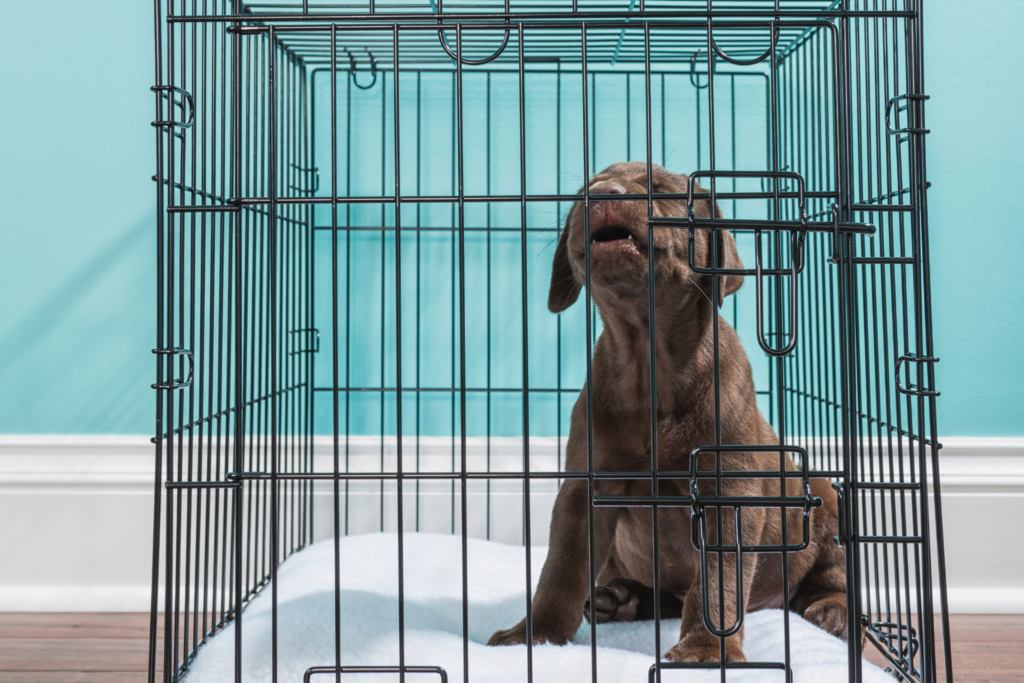
Pet anxiety is becoming more common among dogs and cats, especially as lifestyles change and pets spend more time alone or in stimulating environments. Many loving pet parents unknowingly make small mistakes that can increase stress and anxious behavior.
Understanding these triggers can help you create a calmer, more secure environment for your pet.
In this guide, we’ll cover common mistakes that increase pet anxiety and simple, recommended strategies you can start today.
What Is Pet Anxiety?
Pet anxiety occurs when dogs or cats experience excessive stress, fear, or nervousness in certain situations. Common triggers include:
- Separation from owners
- Changes in routine
- Loud noises
- Lack of mental stimulation
- New environments or people
Signs of anxiety may include pacing, whining, destructive behavior, excessive grooming, hiding, or changes in appetite.
1. Inconsistent Daily Routines
Pets feel safer when they know what to expect. Irregular feeding times, unpredictable walks, or sudden schedule changes can increase stress levels.
What to do instead:
- Maintain consistent meal times
- Keep walks and playtime on a predictable schedule
- Establish a calming bedtime routine
2. Overstimulating Greetings, Goodbyes, and Excessive Attention
Excited departures, dramatic reunions, or spending too much time hovering can unintentionally reinforce anxious behaviors. Some pets become dependent on constant attention and struggle when left alone.
What to do instead:
- Keep arrivals and departures calm and brief
- Avoid emotional buildup before leaving
- Give your pet space to develop independence
- Reward calm behavior rather than excitement
3. Not Providing Enough Mental Enrichment
Many pets receive physical exercise but lack mental stimulation, which can lead to frustration and anxiety.
Enrichment ideas:
- Puzzle feeders
- Scent games
- Training sessions
- Interactive toys
- Food-dispensing activities
Mental exercise helps reduce stress and promotes emotional balance.
4. Missing Early Signs of Stress
Pets often show subtle signals before anxiety escalates.
Watch for:
- Lip licking or yawning
- Pacing
- Avoidance behaviors
- Restlessness
- Excessive vocalization
Recognizing these early warning signs allows you to intervene before anxiety worsens.
5. Punishing Fear-Based Behavior
Punishment can increase fear and damage trust, making anxiety worse over time.
Better approach:
- Use positive reinforcement
- Redirect unwanted behaviors calmly
- Reward relaxation and calm responses
6. Not Providing a Safe, Quiet Space
Pets need a secure retreat where they can decompress.
Ideas for creating a safe space:
- Comfortable bedding in a quiet area
- Covered crate (if crate trained)
- Low-traffic zone away from noise
My Experience With Separation Anxiety (What I Learned From Three Poodles)
Separation anxiety can look different from one dog to another and sometimes the biggest lessons come from real-life experience.
In the past, I had two poodles who struggled with separation anxiety in very different ways. One would bark or howl the entire time I was gone. We tried giving her free roam of the house because being crated wasn’t the right fit for her, but despite our efforts, nothing seemed to reduce her stress fully.
Later, we had another poodle who showed similar anxious behaviors when left alone. However, she would defecate when alone. Through trial and error, I realized how much early training and structure can influence how a dog responds to alone time.
With my current poodle, I approached things differently from the beginning. I introduced crate training early and made practicing short periods of alone time as part of her routine. Instead of waiting for anxiety to develop, I focused on helping her build confidence being alone from the start.
Now, she may cry briefly for the first 10–15 minutes after we leave, but then she settles, sleeps in her crate, and remains calm until we return home.
What This Taught Me
Every dog is unique, and there isn’t a single solution that works for all pets. However, early preparation, exposure to alone time, creating a predictable, safe space, and giving your pet independence can significantly help prevent or reduce separation anxiety. Sometimes, spending too much time hovering over them or overcompensating for their anxiety can actually make the behaviors worse.
A Book That Helped Me Understand Separation Anxiety
During my journey, I purchased “Separation Anxiety in Dogs” by Malena DeMartini-Price, and it was a game-changer. The book breaks down common causes of anxiety, practical strategies for crate training, and step-by-step guidance for gradually helping pets feel comfortable being alone.
If you’re struggling with your own pet’s separation anxiety, this book is a fantastic resource for understanding the behavior and learning actionable techniques that actually work.
How to Help Reduce Pet Anxiety Long-Term
Helping your pet feel safe involves consistency, enrichment, and understanding their emotional needs. Small daily adjustments can lead to significant improvements in behavior and well-being.
If anxiety symptoms are severe or persistent, consult a veterinarian or certified trainer for personalized support.