
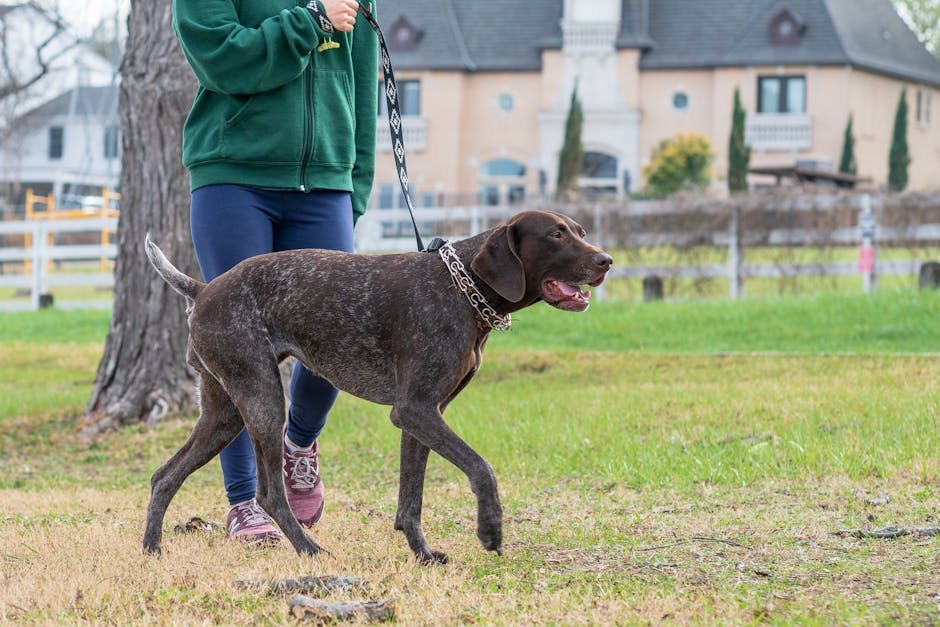
Many people believe that every dog must be walked daily in order to be healthy and happy. While walks are a wonderful form of exercise and bonding, the reality is a bit more flexible.
Dogs need physical activity and mental stimulation, but that doesn’t always have to come from a walk around the neighborhood.
Depending on the dog’s age, breed, health, and personality, there are many ways to meet those needs.
Why Walks Are Popular
Walks are often recommended because they provide several benefits at once:
- Physical exercise
- Exposure to new smells and environments
- Mental stimulation
- Bonding time with the owner
For many dogs, this combination is ideal. However, some dogs may struggle with traditional walks due to fear, reactivity, medical issues, or simply personality differences.
Some Dogs Don’t Enjoy Walks
Not every dog finds walks relaxing.
Certain dogs may become overwhelmed by:
- Busy streets
- Loud noises
- Other dogs
- Fast-moving cars or bikes
For these dogs, forcing daily walks can actually create more stress rather than enrichment.
In these situations, alternative activities can provide the same benefits without the anxiety.
Other Ways to Give Your Dog Stimulation
Mental stimulation can tire a dog out just as effectively as physical exercise. In many cases, a dog that uses their brain will become calmer and more satisfied.
Here are a few great alternatives to daily walks.
Training Sessions
Short training sessions stimulate your dog mentally and strengthen communication between you both.
Even 5–10 minutes of practicing commands or learning new tricks can be surprisingly tiring for a dog.
Puzzle Toys and Food Enrichment
Puzzle feeders and enrichment toys encourage problem-solving and natural foraging behaviors.
Examples include:
- Snuffle mats
- Food puzzle toys
- Treat-dispensing balls
- Frozen enrichment meals
These activities activate a dog’s brain and provide rewarding challenges.
Playtime
Games like:
Interactive play is another excellent form of exercise.
- Tug-of-war
- Fetch
- Hide and seek
- Flirt pole play
can burn energy quickly while strengthening your bond.
Backyard Exploration
If you have a yard, letting your dog sniff, explore, and move around can provide valuable stimulation.
Dogs experience the world primarily through scent, so allowing them time to explore different smells can be just as enriching as a walk.
Balance Is What Matters Most
Rather than focusing on whether a dog is walked every day, the better question is:
“Is my dog getting enough physical and mental engagement?”
Some days that may mean a neighborhood walk.
Other days it might look like:
- A backyard play session
- A puzzle toy
- Training practice
- Indoor games
As long as your dog is engaged, exercised, and content, you are meeting their needs.
Every Dog Is Different
Just like people, dogs have different preferences and energy levels.
A high-energy working breed may thrive with long daily walks and adventures.
Meanwhile, an older dog or a more relaxed breed might be perfectly satisfied with shorter activities and mental enrichment.
The key is learning what works best for your individual dog.