
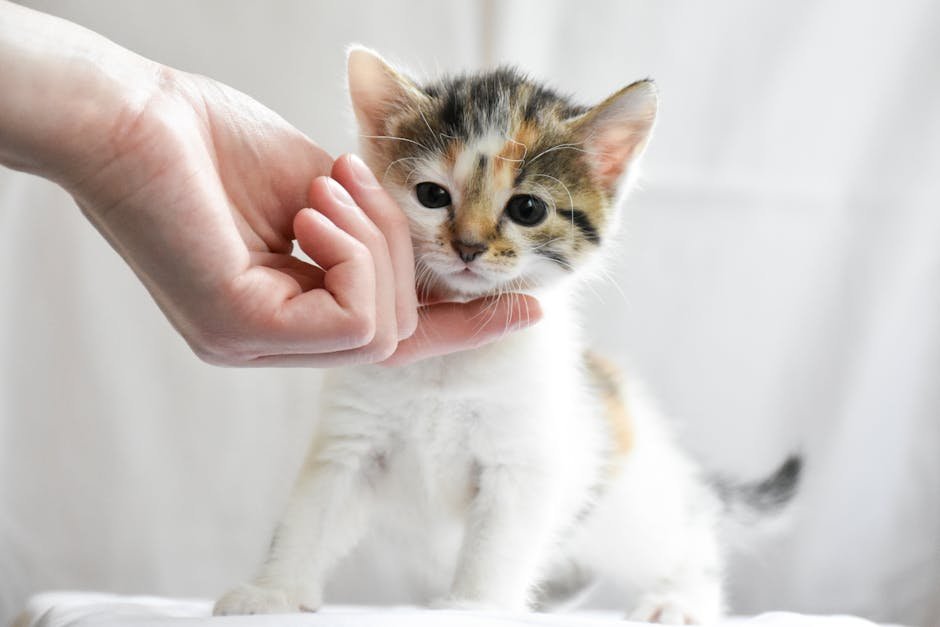
Bringing a kitten home is thrilling, but it comes with a lot of responsibility. The first year is when your cat develops lifelong habits, social skills, and confidence. While kittens have a more independent streak than puppies, early guidance helps them thrive in your home. Here’s what to focus on during your kitten’s first year.
- Litter Box Training
One of the first lessons is the litter box. Most kittens instinctively use a litter box, but it still requires some guidance:
- Place the litter box in a quiet, accessible location.
- Keep it clean—scooping daily is essential. Unless you have a robot cleaner, then it can be every other day. You still need to maintain it.
- Show the kitten where it is, especially after meals or naps.
Avoid punishment for accidents. Guide them back to the litter box. Positive reinforcement, like gentle praise, works wonders.
- Socialization
Early socialization is critical for confident cats:
- Handle your kitten gently from an early age (paws, ears, and tail included).
- Introduce them to different people, gentle dogs, and other pets slowly.
- Provide exposure to everyday household noises (vacuum, TV, washing machine).
A well-socialized kitten is less likely to be fearful or aggressive as an adult.
- Basic Handling & Grooming
Get your kitten used to touch and routine care:
- Brush their fur regularly, even short-haired breeds.
- Trim nails gently to prevent scratching issues later.
- Introduce dental care early by gently handling their mouth or using a kitten-safe toothbrush.
The key is short, positive sessions paired with treats or play.
- Bite & Scratch Inhibition
Kittens explore with their teeth and claws, so teaching boundaries early is important:
- Redirect biting and scratching from your hands to toys.
- Never hit or yell
- Provide plenty of toys for play and exercise.
Teaching proper play ensures a kitten grows into a well-mannered adult cat.
- Scratching & Furniture Etiquette
Cats naturally scratch to mark territory and exercise their claws. Guide them to appropriate surfaces:
- Provide scratching posts or pads in multiple areas.
- Reward the use of posts with treats or affection.
- Use deterrents (like double-sided tape) for furniture you want to protect.
- Leash & Harness Training (Optional)
Some kittens can be trained to walk on a leash with a harness. Start indoors first:
- Let them explore the harness gradually.
- Reward calm behavior and practice short walks indoors.
- Only move outdoors when the kitten is confident and safe.
- Alone Time & Independence
Kittens are naturally independent, but still need positive reinforcement for being alone:
- Gradually increase time apart from you while providing toys or safe spaces.
- A confident kitten is less likely to develop separation anxiety or destructive behaviors.
- Healthy Habits & Vet Visits
Early exposure to vet care, vaccinations, and grooming builds confidence:
- Handle vet prep positively with treats and calm handling.
- Monitor eating habits, play, and litter box use.
- Begin basic training, like coming when called or following simple cues, using treats.
The first year of a kitten’s life shapes their personality, confidence, and bond with you. By focusing on litter box habits, socialization, gentle handling, and bite/scratch inhibition, you set the stage for a happy, well-adjusted adult cat. Remember: patience, consistency, and positive reinforcement are key—kittens may be independent, but they thrive on structure, play, and affection.