
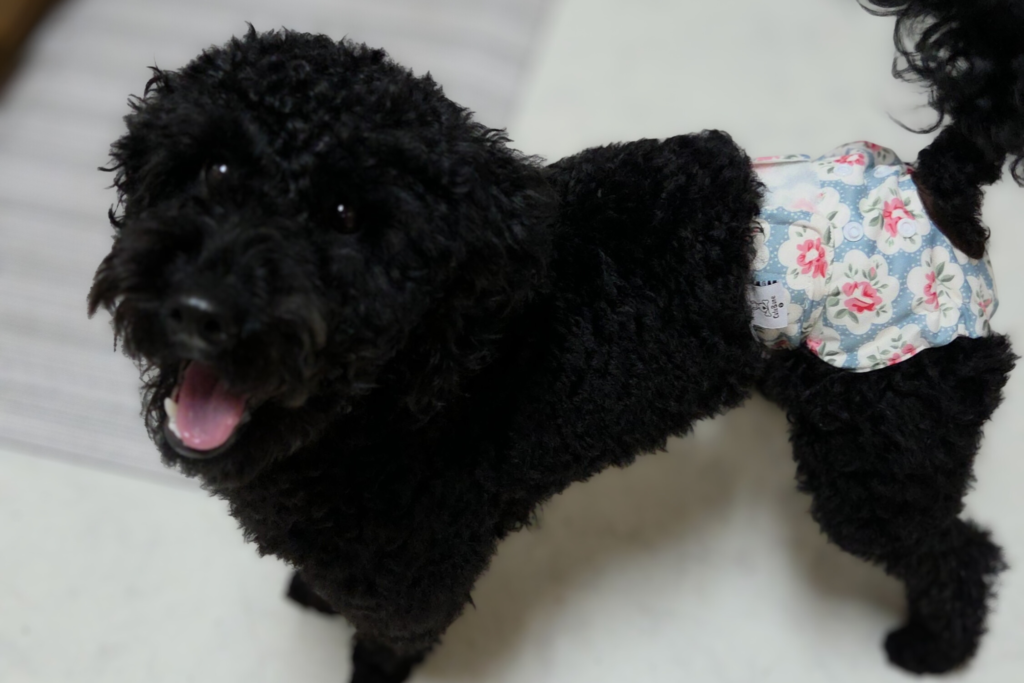
If your female puppy hasn’t been spayed yet, one milestone that can surprise many pet parents is her first heat cycle. It often arrives with subtle signs at first, little behavioral change here, a bit of swelling there, and many owners aren’t sure what they’re seeing.
Understanding what a heat cycle looks like (especially the first one) helps you support your puppy with confidence, avoid unwanted surprises, and keep her safe during this important stage of development.
Yes, even experienced pet parents sometimes feel unprepared. We recently went through a full first heat cycle with our own female moyen poodle, and there were definitely things we learned along the way that we wish we had known sooner.
Here’s everything you need to know.
Here is a video that I go into explaining about the heat cycle as well:
What Is a Heat Cycle in Dogs?
A heat cycle, also called estrus, is part of a female dog’s reproductive cycle. During this time, hormone changes prepare her body for possible pregnancy.
Unlike humans, dogs don’t go through monthly cycles. Most dogs enter heat roughly every 6–8 months, although timing varies depending on breed, genetics, and overall development.
Your puppy’s first heat is a sign she’s reaching sexual maturity.
When Do Puppies Have Their First Heat Cycle?
There isn’t a single exact age because dogs mature at different rates.
Typical ranges include:
- Small breeds: around 6–8 months
- Medium breeds: around 8–12 months
- Large breeds: around 12–18 months
- Giant breeds: sometimes up to 24 months
Real-Life Experience: Our Moyen Poodle’s First Heat Cycle
Our female moyen poodle just finished her first heat. We expected it to be shorter, but her cycle lasted about 19 days from start to finish. Every dog is different, and seeing that variation firsthand helped us understand that “average timelines” are just guidelines.
As of 02/09/2026, we’ve just reached the point where her visible bleeding has come to an end. This is something many first-time pet parents don’t realize: precautions still need to continue even after bleeding stops because dogs can remain fertile for a short period afterward.
One of the biggest adjustments was managing cleanliness and comfort inside the home.
Here’s what worked well for us:
- We used dog diapers to help manage discharge and protect furniture and flooring.
- To make cleanup easier and extend the life of each diaper, we lined the diaper with regular panty liners. This allowed us to swap out the liner quickly without changing the entire diaper each time.
- Having multiple diapers in rotation made daily life much easier.
- Regular checks helped prevent irritation and kept her comfortable.
Adding a simple system reduced stress significantly and made the entire experience feel much more manageable.
These are the diapers from Amazon that we used, and you can choose the different sizes and designs.
We use Always Panty Liners to line the diaper. Click on the link to watch a short demonstration on how to use the diaper and place the panty liner, done by us.
How to Tell If Your Puppy Is Entering Her First Heat
The first heat cycle can be confusing because the signs may be mild or unexpected.
Here’s what many pet parents notice first:
Swollen Vulva
- One of the earliest indicators is visible swelling around the vulva.
Bloody or Pink Discharge
- You might notice spotting where your puppy sits or sleeps. Some dogs keep themselves very clean, so discharge may be minimal.
Increased Licking
- Frequent grooming of the rear area is common.
Behavior Changes
Your puppy may become:
- More affectionate, clingy, or even aloof
- Restless or distracted
- Slightly anxious
- Extra alert
Others may seem quieter – both responses are normal.
Male Dogs Suddenly Notice Her
Even before she is fertile, male dogs may show increased interest due to hormonal scent changes.
Understanding the 4 Stages of a Dog’s Heat Cycle
Knowing the stages helps you understand what’s normal and when to be extra cautious.
1. Proestrus (7–10 days)
- Vulva swelling begins
- Bloody discharge appears
- Male dogs show interest
- Your puppy usually rejects mating
2. Estrus (5–14 days)
- Fertile phase
- Discharge may become lighter
- Your puppy may accept males
Extra supervision is essential during this stage.
3. Diestrus
- Hormones return toward normal
- Fertility ends
- Swelling reduces
4. Anestrus
- Resting phase between cycles
How the First Heat Cycle Can Be Different
A puppy’s first cycle doesn’t always follow a perfect timeline. You might see:
- Irregular duration (like our 19-day experience)
- Lighter or heavier discharge
- Subtle behavioral signs
- Slightly longer or shorter phases
This is normal as hormones regulate.
How to Care for Your Puppy During Heat
Keep Outdoor Time Controlled
Always use a leash and avoid dog parks. Male dogs can detect a female in heat from surprising distances.
Use Doggy Diapers (and Liners)
Diapers can make indoor management much easier. Using panty liners inside the diaper can:
- Make cleanup faster
- Reduce laundry
- Keep your dog drier and more comfortable
These are the diapers from Amazon that we used, and you can choose the different size and designs.
We use Always Panty Liners to line the diaper. Click on the link to watch a short demonstration on how to use the diaper and place the panty liner, done by us.
Maintain Routine
Walks and enrichment help reduce restlessness.
Continue Precautions After Bleeding Stops
Even when bleeding ends, your dog may still be fertile. Continue supervision and avoid interactions with intact male dogs for a little longer.
Should You Spay Before or After the First Heat?
Timing depends on breed, size, and veterinary guidance. Spaying:
- Prevents future heat cycles
- Eliminates pregnancy risk
- May reduce certain health risks
Discuss timing with your veterinarian for personalized advice.
When to Contact Your Veterinarian
Reach out if you notice:
- Extremely heavy bleeding
- Pain or severe lethargy
- Strong foul odor
- Heat lasting longer than 4 weeks
- No heat cycle by expected maturity age
Supporting Your Puppy Through This Milestone
Your puppy’s first heat cycle is a natural part of growing up. While it may feel overwhelming at first, preparation, patience, and real-life strategies can make it much easier.
And if you’re currently going through it — you’re not alone. Many pet parents are learning right alongside their dogs.