
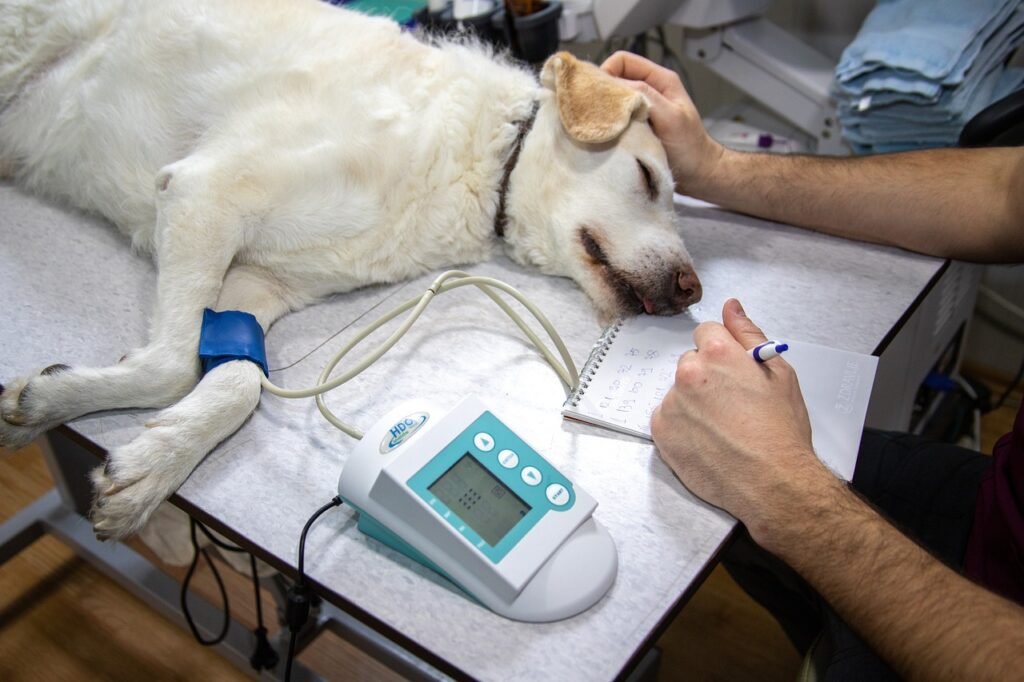
If you’re a pet parent, you already know this: when something is wrong with your pet, nothing else matters.
Many people don’t realize, until they experience it, how quickly veterinary care can become a significant financial decision. This isn’t meant to scare you. It’s intended to prepare you.
How Pet Emergencies Actually Happen
Most pet emergencies don’t start with flashing lights or dramatic accidents. They start quietly. A dog stops putting weight on one leg. A cat hasn’t eaten in two days. Your pet throws up once, then again, and then won’t move.
You take them to the vet, thinking it’s something simple. Then the estimate comes back.
$700–$1,200 for diagnostics
$2,500–$6,000 for surgery
Additional costs for medications, follow-ups, or overnight care. Suddenly, you’re not just worried about your pet, you’re trying to figure out how to pay for the care they need.
The Hardest Part Isn’t the Bill — It’s the Decision You Have to Make
I learned this the hard way.
It started with my dog’s eye having red streaks and her constantly panting. I took her to the vet, thinking it was just an eye issue — something minor that would maybe cost around $300.
The next day, her skin started turning gray. That’s when I knew something else was seriously wrong. After more testing, we found out she had eaten rat poison.
What I thought would be a simple visit quickly turned into an emergency, and the bill jumped from about $300 to over $2,500.
In that moment, the stress wasn’t just about my dog; it was about time, fear, and how quickly everything escalated. I was grateful I could focus on getting her the care she needed instead of panicking over every decision.
That experience completely changed how I think about planning for pet emergencies. That’s where pet insurance and CareCredit come in.
What Pet Insurance Does (In Real Terms)
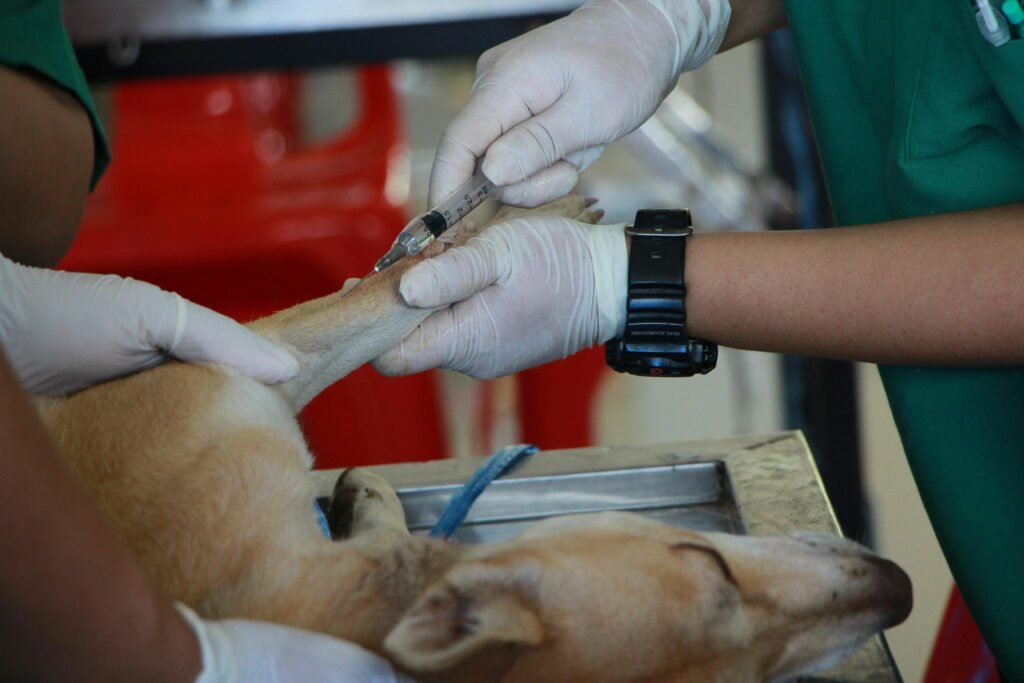
Pet insurance helps cover unexpected accidents and illnesses. In real life, that can mean help paying for:
- Emergency exams
- X-rays, ultrasounds, and bloodwork
- Surgeries and hospital stays
- Medications and ongoing treatment
Instead of asking, “Can I afford this right now?” you can focus on “What does my pet need to get better?” Insurance doesn’t remove the stress entirely, but it removes the panic.
Why CareCredit Is So Valuable
CareCredit is a healthcare credit card accepted by many veterinary clinics.
It allows you to:
- Start treatment immediately
- Break large vet bills into monthly payments
- Avoid putting everything on high-interest credit cards
CareCredit is especially helpful in emergencies, when waiting isn’t an option and insurance reimbursement may take time.
Why Having One (or Both) Matters
Pet insurance and CareCredit serve different purposes, but together they give you flexibility. Insurance helps with coverage. CareCredit helps with timing.
What they both give you is the ability to say:
“Yes. Do whatever they need.”
Plan Before You’re Forced To (Not After)
Most people don’t regret getting pet insurance or CareCredit. They regret waiting until after something happens.
You can’t predict emergencies, but you can plan for them. Planning can make all the difference when your pet needs you most. Your pet depends on you for everything; having a financial plan for their care is just another way to protect them.
Watch the video to learn the difference between pet insurance and CareCredit.
This is the kind of advice I share weekly in my newsletter — including tips I don’t post publicly.
Get the next one in your inbox by subscribing.